
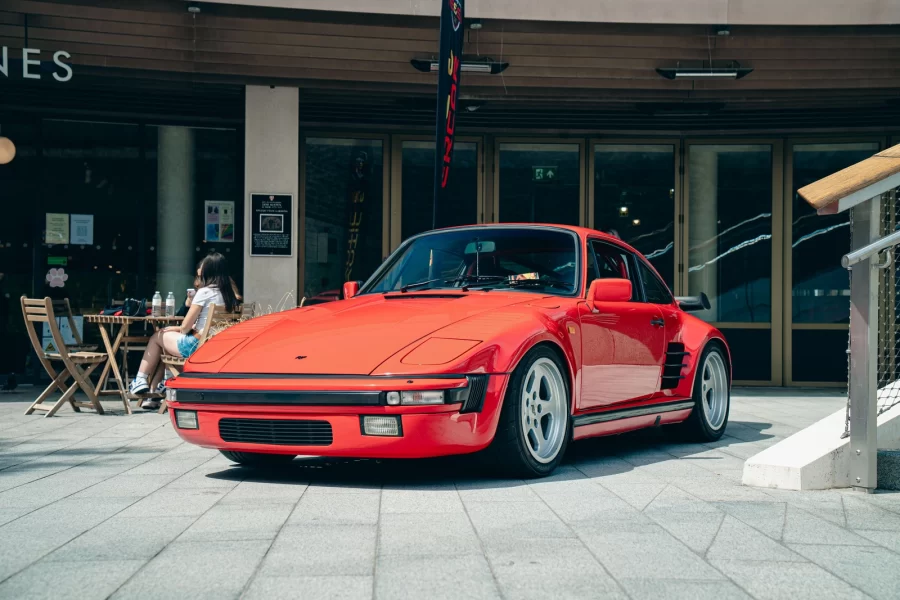

This Porsche 964 buyer’s guide explains what to look for before you commit to the car many enthusiasts see as the best-balanced air-cooled 911. It covers the history, the main variants, price tiers, common mechanical problems and a step-by-step inspection routine. Market values change quickly, so use it as a framework and check current listings and recent sales before you negotiate.
Why Does a Porsche 964 Buyer’s Guide Start With History?
The Porsche 911 type 964 arrived for the 1989 model year and stayed in production until 1994. It followed the long-running G-series cars and preceded the 993. Porsche described it as largely new, with a large share of its parts redesigned, yet the silhouette still looked unmistakably like a 911.
For many enthusiasts, the 964 is the first modern classic 911. It has power steering, ABS, airbags in many markets and a usable heating and air-conditioning system. It also keeps the air-cooled flat-six and the compact proportions that defined the model.
The headline changes were these:
- Coil-spring suspension replaced the traditional torsion bars at both ends, improving ride quality and making the car easier to live with.
- A 3.6-litre air-cooled flat-six (the M64 family) replaced the 3.2-litre Carrera engine, with dual ignition and a healthy power increase.
- All-wheel drive arrived on the Carrera 4, the first non-Turbo 911 offered with it from the factory. The rear-drive Carrera 2 followed shortly afterwards.
- Tiptronic, Porsche’s automatic with manual-style control, became an option on the Carrera 2.
- A retractable rear spoiler and smoother bumpers integrated into the body gave the car a cleaner look.
The 964 was sometimes criticised when new for being less raw than its predecessors. Early reviews often noted that it was more refined than some purists wanted. Seen against the wider story of the marque, from the Porsche 356 heritage onward, it now looks like a sweet spot between analogue feel and everyday usability.
That reputation explains why prices have moved up significantly compared with a couple of decades ago. Treat any figure you read, including in this article, as a starting point. Check current listings and recent sale results before you make an offer.
Which Porsche 964 Variants Exist?
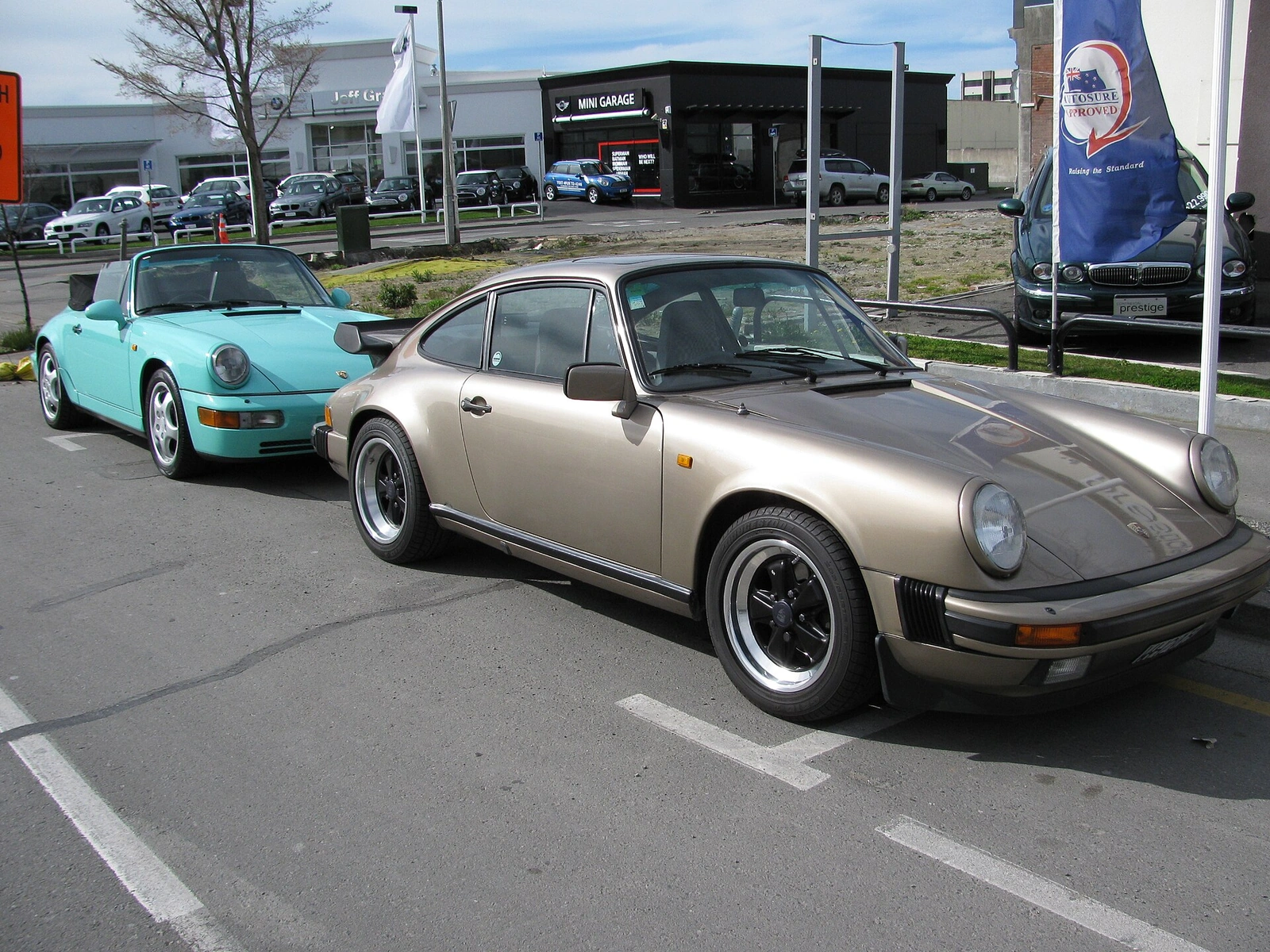
The 964 range was broad. Knowing what each version is, and how rare it is, helps you judge whether an asking price is realistic.
Carrera 2 and Carrera 4
These are the core models, offered as Coupe, Targa and Cabriolet. The Carrera 4 came first and uses a permanent all-wheel-drive system. Its front-to-rear split is controlled by differentials rather than a simple clutch arrangement.
The Carrera 2 is lighter and simpler, and many drivers prefer its purer rear-drive character. The Carrera 4 is more surefooted in poor weather, and some owners find it just as rewarding. Neither is a wrong choice, but the C4 has additional front driveline components that need inspecting.
Carrera RS
The Carrera RS, introduced for 1992, is the car most enthusiasts mean when they talk about a special 964. It was a lightweight, road-legal, homologation-flavoured model aimed at driving purists. Porsche has a long record of such cars, and the Porsche 924 Carrera GTS is another rare example.
Compared with a regular Carrera 2, the RS received a tuned 3.6-litre engine with more power and a lighter flywheel. It also had a stiffer, lower suspension setup, a limited-slip differential, thinner glass and a stripped-out interior with bucket seats. It is rear-drive with a manual gearbox only.
Production was limited and split across several specifications, so the exact version matters enormously. The lightweight Sport specification is generally the most coveted, while the Touring version keeps more equipment. A separate, closely related model, the RS America, was sold in the US with a different specification.
Turbo, Speedster and Special Editions
- 964 Turbo: first with a 3.3-litre engine, later with a 3.6-litre unit with more power. It is based on the earlier turbocharged lineage but with the 964 chassis improvements.
- Speedster: a very low-volume, lightweight open car with a lowered windscreen and a manual hood, built in the final years of production.
- Carrera S, America Roadster, Anniversary Edition and Turbo S variants: limited or special-trim cars, many featuring wide-body looks. They are valued for rarity, but provenance and documentation are essential.
- Cup and RSR models: competition-oriented cars. Replicas and conversions exist, so verify chassis numbers with Porsche documentation.
What Do Porsche 964 Prices and Running Costs Look Like?
It would be misleading to quote a single price for a 964. Values depend on variant, mileage, history, condition, colour and location. Think in tiers instead, and verify each against current data from auction houses, specialist dealers, classified listings and valuation tools.
How the range typically stacks up
- Entry level: Tiptronic Carrera 2 and some higher-mileage or modified cars. They are the most affordable way into the generation, though automatics are less sought after and may be harder to resell.
- Mainstream: manual Carrera 2 and Carrera 4 coupes. These form the largest part of the market and show the biggest spread between tired and excellent examples.
- Open cars: Targas and Cabriolets often sit around or slightly below equivalent coupes. A well-specified, low-mileage Cabriolet can still be strong, but the hood mechanism and drainage need checking.
- Turbo and rare editions: priced considerably higher, and strongly dependent on specification and history.
- Carrera RS and RS America: the top of the range, trading in a different league from standard cars. The final price depends on the exact specification, originality and documentation.
What moves the price
- Originality: original paint, original interior and correct wheels matter more every year.
- Service history: a thick folder of invoices from known specialists adds real value.
- Mileage: low mileage helps, but a well-maintained higher-mileage car is often a better buy than a neglected low-mileage one.
- Colour and options: rare factory colours and desirable options can add a premium.
Running costs to expect
Buying the car is only the first part of the cost. A 964 rewards regular care and punishes neglect, so set a budget that includes a reserve for immediate catch-up maintenance. Even a good car will usually need something attended to within the first year.
- Servicing: regular oil changes and periodic inspections are essential. Use a specialist who knows air-cooled cars.
- Tyres and brakes: choose sizes and brands carefully for handling and originality.
- Rubber parts: bushings, hoses and seals age even if the car has done few miles.
- Insurance and storage: classic or agreed-value policies are often available and may be cheaper than standard cover. Dry storage helps protect the car.
If these costs look too high, some buyers consider a more modern alternative such as the Porsche Boxster 986. It is a different car with a different character, so drive both before deciding.
What Are the Common Engine and Drivetrain Problems?
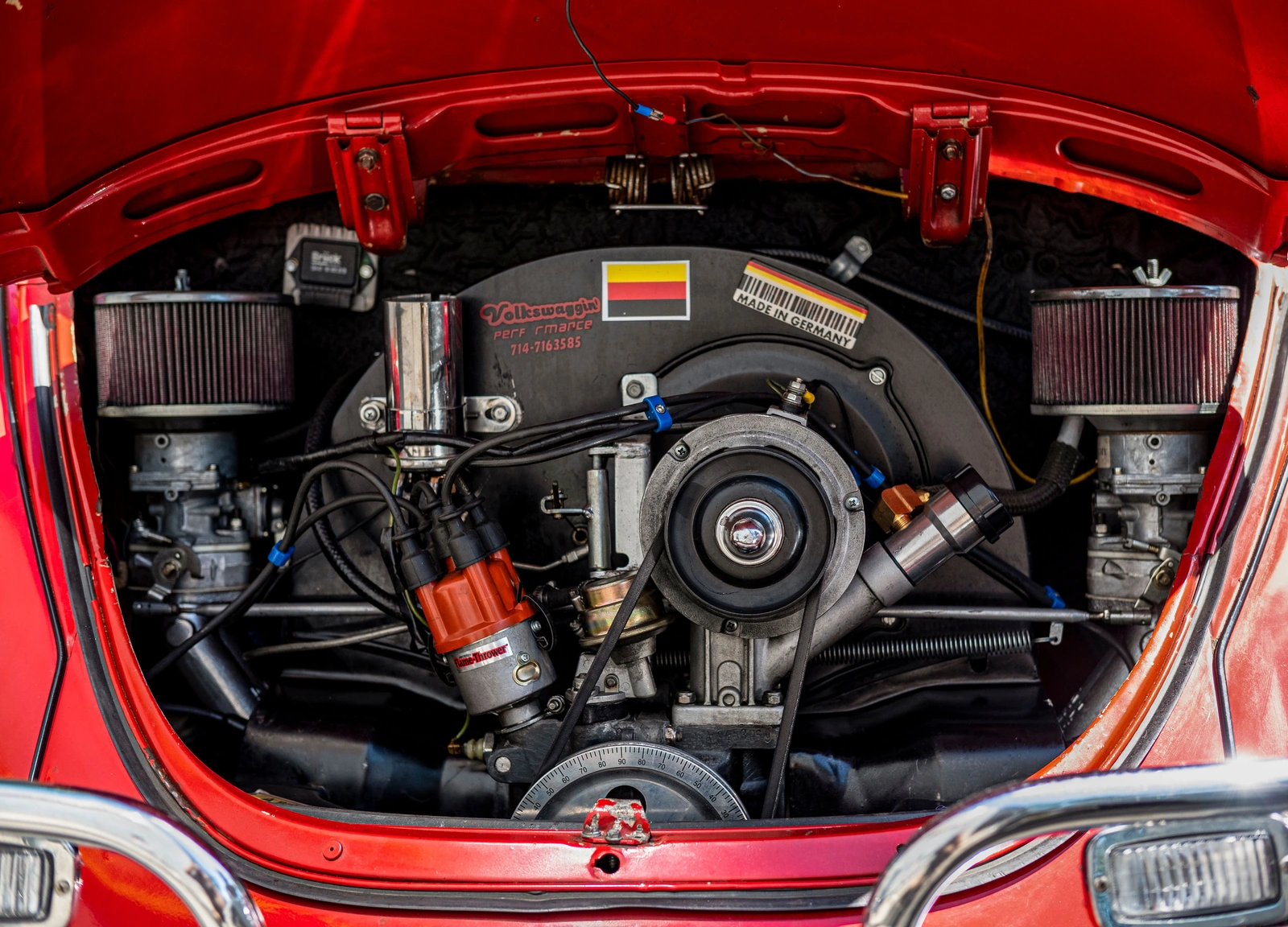
The 3.6-litre air-cooled flat-six is generally robust when it has been properly maintained, but it does have known weak points. The most frequently discussed concern is oil leakage, and it needs context. Air-cooled Porsches of this age commonly weep a little, but a significant leak can hint at deeper problems or an expensive repair.
What to inspect on the engine
- Oil leaks: check the cam covers, the chain housings and the oil lines, as well as the area around the cylinder bases. Look under the car and on the engine tin for fresh oil, and ask what has been done about leaks in the past. Some leaks are cheap to cure, others involve engine removal.
- Dual ignition system: the engine uses twin spark plugs per cylinder. Rough running, hesitation or misfires can point to ignition components, wiring or sensor issues. Evidence of recent tune-ups is reassuring.
- Cylinder head and exhaust components: exhaust studs and heat exchangers can corrode or break with age. Check for exhaust leaks, unusual noises and signs of repairs.
- Cold start and idle: the engine should start without drama and settle into a stable idle. Ask the seller to let you see a cold start.
- Oil pressure and temperature: watch the gauges on a long test drive. Erratic readings need investigation.
Clutch, flywheel and gearbox
Many manual 964s use a dual-mass flywheel. These can wear and cause rattles or vibrations, and replacement is not cheap because the gearbox must come out.
On the test drive, feel for clutch judder and listen for rattle at idle. Check that every gear engages cleanly, and note any notchy shifting or crunching into second.
On the Carrera 4, ask about the condition of the front differential, driveshafts and associated seals. Tiptronic cars should shift smoothly without flare or harshness, and you should confirm the fluid change history.
What Should You Check on the Chassis, Body and Electrics?
Suspension, steering and brakes
The switch to coil springs improved comfort, but age has taken its toll. Worn dampers, tired bushings and perished mounts are common. Listen for knocks over bumps and check that the car tracks straight without wandering.
Look for uneven tyre wear, which can hint at alignment problems or past accident damage. The power steering system can develop leaks at the rack or hoses, so inspect the fluid level and the surrounding area. Heavy or whining steering needs attention, and the brakes should pull the car up evenly without pulsing or pulling to one side.
Rust and bodywork
The 964 body is galvanised, which makes it more resistant to corrosion than many older cars, but it is not immune. Pay close attention to these areas:
- around the windscreen and sunroof drains
- the front luggage compartment, battery tray and scuttle area
- the sills, jacking points and floor pans
- the wheel arches and rear quarter panels
- any areas with inconsistent paint texture or panel gaps, which can point to accident repairs
A paint-thickness gauge is useful. A repaint is not automatically a negative if it was done properly and documented.
Interior, hood and electrical items
Check that the retractable rear spoiler operates correctly, as faults can be annoying to trace. Test the air conditioning, heater, windows, central locking and all dashboard lights. Many cars have had the original refrigerant system converted, so ask what was done.
On Cabriolets, operate the hood several times and look for stretched fabric, water ingress and weak mechanisms. On Targas, inspect the roof seals. Seat bolsters and dashboard materials can show wear, and replacement trim adds up quickly.
Porsche 964 Buyer’s Guide Checklist: How to Inspect and Test Drive
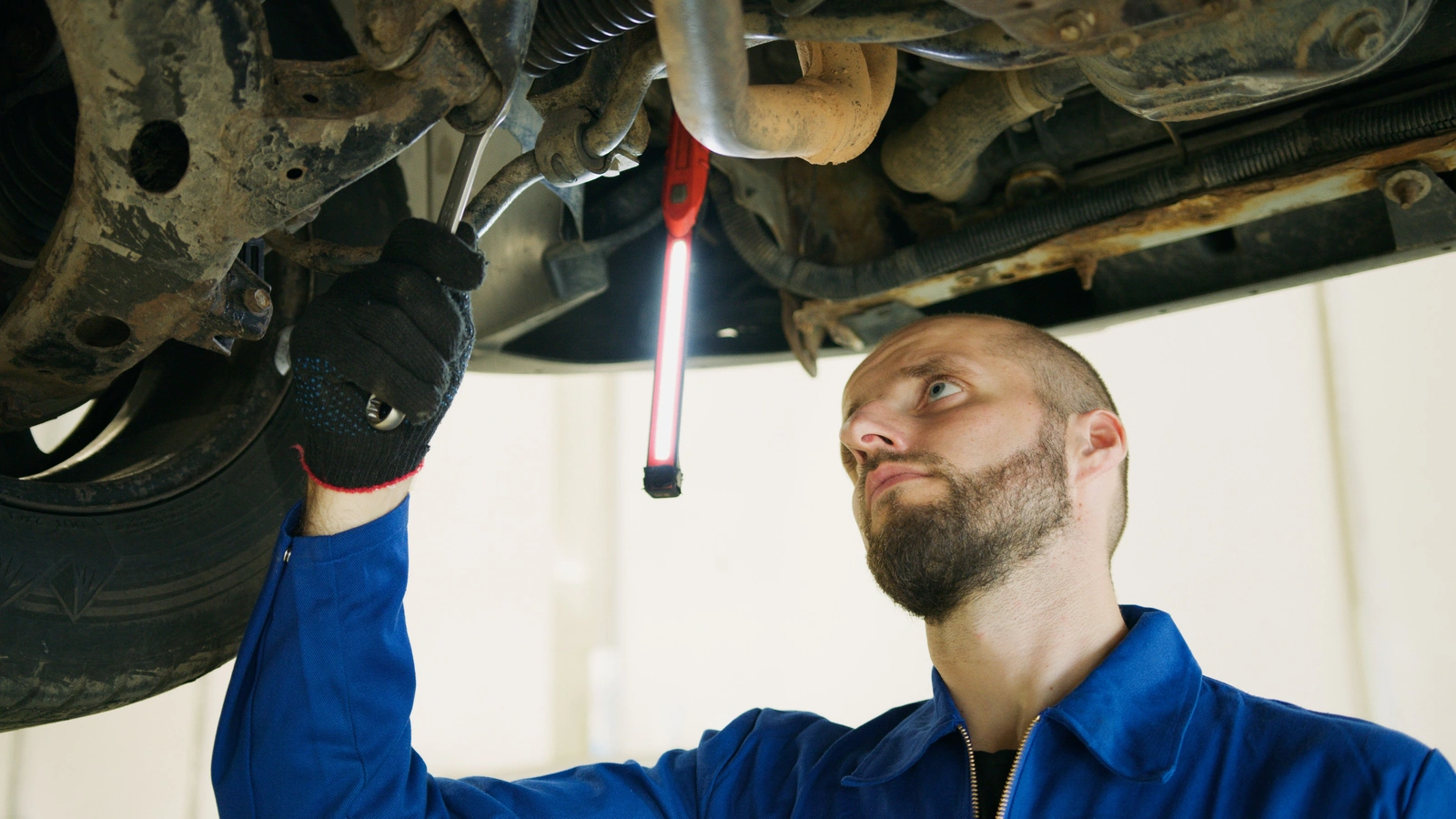
A methodical inspection protects you from emotional decisions. Follow a repeatable process whether you are viewing a standard Carrera or a rare special edition.
Step-by-step checklist
- Review the paperwork first. Ask for service invoices, import documents where relevant, MOT or inspection records and ownership history. Gaps in history deserve an explanation.
- Verify identity. Check that the VIN, engine number, gearbox number and factory options match the documents and the car’s data plate. This is crucial for rare variants.
- Walk around the car in daylight. Look at panel alignment, paint consistency, glass markings and tyre age.
- Inspect underneath. Use a lift if possible. Look for leaks, corrosion, damaged underbody protection and signs of poor repairs.
- Start the engine from cold. Note smoke, noises and how smoothly it settles.
- Drive for at least 30 minutes. Test the car at low speed, on the open road and under braking, and make sure the engine is fully warm.
- Check after the drive. Look for new leaks, warning lights and unusual smells.
Get a specialist pre-purchase inspection
An independent inspection by an air-cooled Porsche specialist is money well spent, especially on higher-value cars. A specialist can perform a compression or leak-down test and scan for faults where applicable. They also spot repairs that a casual buyer might miss.
For a Carrera RS or other rare model, consider having authenticity confirmed by a recognised expert or through Porsche’s own documentation services. Fakes, tributes and modified cars exist, and the price difference makes verification worthwhile.
Common buying mistakes
- Buying on price alone. The cheapest car often becomes the most expensive after repairs.
- Ignoring history. A good folder of records matters more than a polished appearance.
- Overvaluing low mileage. Cars that have been left standing can suffer seal and fuel-system issues.
- Skipping the specialist inspection. It costs little compared with a missed engine problem.
- Not verifying rare variants. Always confirm authenticity before paying a premium.
Where Should You Buy a 964, and What Do Buyers Ask Most?
Reputable Porsche specialists, marque-focused dealers, enthusiast clubs, online auction platforms and classic car classifieds are all sources. Specialist dealers may charge more but often supply cars that have been inspected and prepared. Private sales can offer better prices, but they place more responsibility on you.
Whichever route you choose, be patient. The right car is worth waiting for, and a short list of well-documented candidates beats a rushed purchase.
Is the Porsche 964 reliable?
It can be, provided it has been maintained properly. The engine is generally strong, but age-related issues such as oil leaks, worn rubber parts and electrical quirks are common. Reliability depends far more on the history of the individual car than on the model itself.
Carrera 2 or Carrera 4: which should I buy?
Choose the Carrera 2 if you value simplicity, lower weight and rear-drive feel. Choose the Carrera 4 if you want extra traction and plan to drive in varied weather. Condition matters more than drivetrain layout, so buy the best example you can find.
Is Tiptronic a bad choice?
Not necessarily. It suits some owners and is often cheaper to buy, but manual cars are more desirable and usually hold their value better. Drive both before deciding.
Is the Carrera RS a good investment?
It has been highly sought after, but nobody can guarantee future values. Buy it because you want to drive and own it, not purely as a financial asset. Always verify the specification and originality.
Can a 964 be a daily driver?
Many owners use theirs regularly, since it is more practical than older 911s. Be prepared for higher maintenance needs, and be mindful of corrosion if the car is used in winter conditions.
What is the single most important thing to check?
The car’s documented history. A well-maintained, honestly described 964 with a transparent past is almost always a better purchase than a cheaper car with unknowns. Combine that with a specialist inspection and a thorough test drive, and you will be in a strong position to enjoy one of the most rewarding generations of the 911.
Note: market values, parts availability and specifications can change, and production details vary by market. Verify current information with specialists and official Porsche sources before you buy.


