
Why the Porsche 997 Generations Matter to Buyers
The Porsche 997 was the 911 that quietly restored confidence in the model line. It replaced the polarizing 996 with a return to round headlights, a more traditional cabin, and a body that looked unmistakably like a classic 911 again. It was built from 2004 until 2012 and is often considered a sweet spot for enthusiasts: modern enough to be used daily, yet analogue enough to feel involving.
The 997 is split into two distinct phases, informally called 997.1 and 997.2. Porsche itself used the 997 name for both, and the .1 and .2 labels come from the owner and dealer community. Yet the difference between them is far bigger than a typical facelift. Under the skin, the 997.2 introduced a new family of engines, a new transmission option, and updated electronics.
As a rough guide, the timeline looks like this:
- 997.1: launched for the 2005 model year (production began in 2004) and ran through the 2008 model year.
- 997.2: arrived for the 2009 model year (introduced in mid-2008) and ran until 2012, when the 991 took over.
Model-year boundaries can differ slightly between markets, so always check the build date and the specification of the individual car rather than relying on the year alone.
Choosing between the two is rarely just about money. It touches reliability concerns, driving feel, gearbox preference, and how much you want to spend on preventive work. This guide walks through the changes in order, explains the infamous intermediate shaft (IMS) bearing issue in context, and finishes with a practical view on which generation suits which kind of owner.
A note on figures: power outputs below are the commonly quoted factory numbers, which are often given in metric horsepower (PS). Treat them as approximate and verify against the documentation of any specific car.
The 997.1: Design, Models, and Character
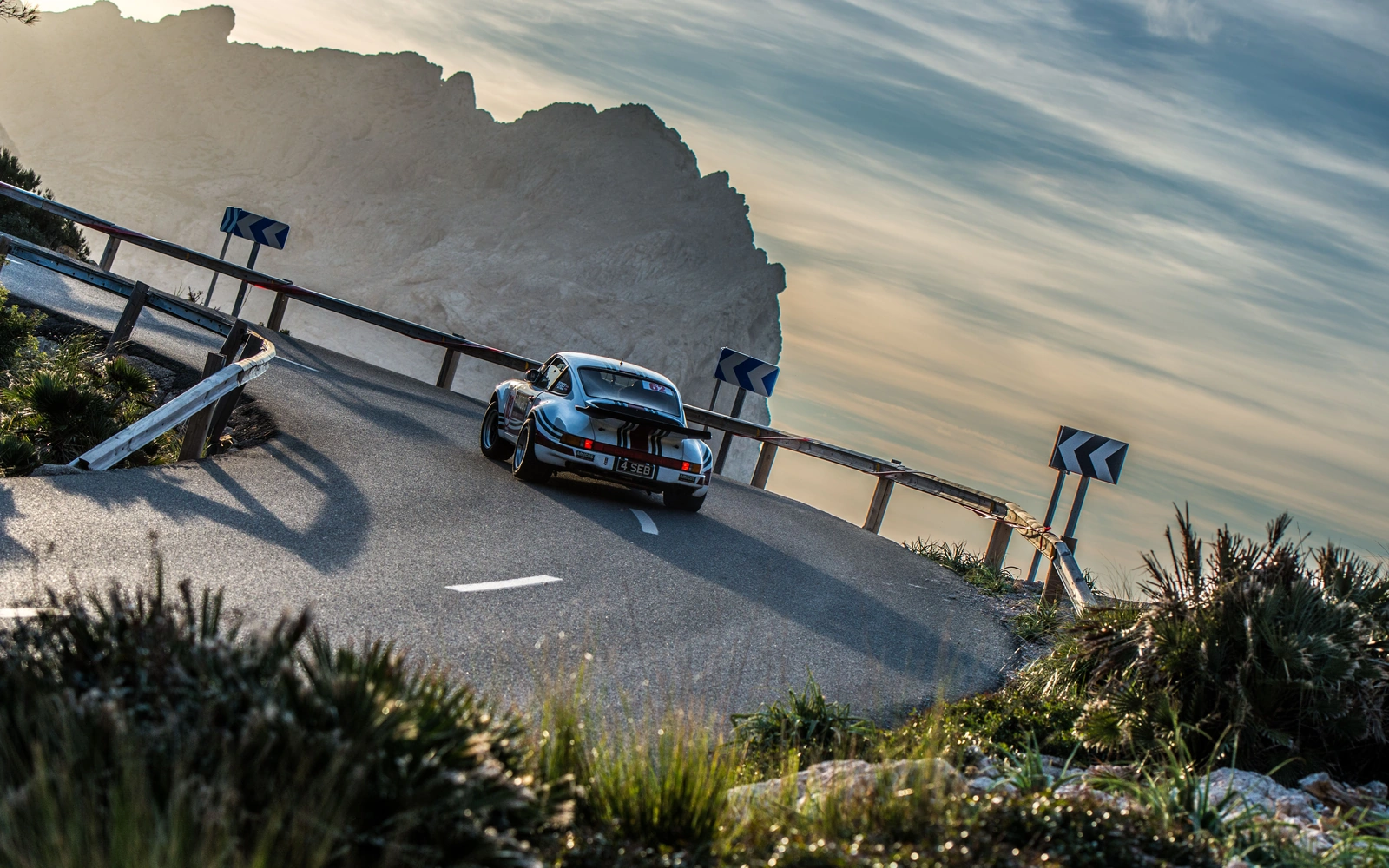
The first-phase 997 launched with two core versions: the Carrera and the Carrera S. The Carrera used a 3.6-litre flat-six rated at roughly 325 PS, while the Carrera S used a 3.8-litre unit rated at around 355 PS. The S also added larger brakes, wider rear bodywork on the standard coupe, and Porsche’s PASM adaptive dampers as an option or part of the package, depending on the market.
The family quickly expanded. Four-wheel-drive Carrera 4 and Carrera 4S models arrived with the wide rear body, the Cabriolet and Targa variants followed, and the range was topped by the Turbo and the track-focused GT3 and GT3 RS, plus the rear-drive turbocharged GT2.
What the 997.1 feels like
Driving a 997.1 is a distinctly mechanical experience. The hydraulic steering communicates well, the cabin is compact, and the cars have a slightly raw edge compared with later generations. The standard transmissions were a six-speed manual and the five-speed Tiptronic S automatic. The Tiptronic is smooth enough but feels dated against a modern dual-clutch, and many enthusiasts avoid it.
Interior and electronics
The infotainment system, known as PCM 2.1, is functional but looks old today. Navigation uses discs, and Bluetooth was often an option. If modern connectivity matters, the 997.1 will feel behind, although aftermarket head units designed for the car are widely available.
The mid-life tweaks
Within the 997.1 production run there were small changes, particularly in the 2007 and 2008 model years, as the Turbo and later models picked up improvements. Overall, though, the 997.1 should be regarded as one coherent generation with the M96/M97 family of engines in the standard Carrera models. The Turbo and GT cars used a different, Mezger-derived engine architecture, which matters when we discuss the IMS issue later.
The 997.2: What Actually Changed
The 997.2 looked very similar from the outside, which led some people to underestimate the update. Look closely and you will find new LED daytime running lights in the front bumper, revised LED tail lights, and slightly altered bumpers and wheels. The real story, however, is mechanical.
New engines with direct injection
The most important change was the engine. The standard Carrera and Carrera S moved to a new generation of flat-six with direct fuel injection (DFI). The 3.6-litre Carrera produced roughly 345 PS, while the 3.8-litre Carrera S produced around 385 PS. Besides the power gain, the new engines were more efficient and designed with a different internal layout.
The turbocharged models also moved to 3.8-litre direct-injection engines, based on the Mezger-derived design, with the Turbo making around 500 PS and the Turbo S around 530 PS. The Carrera GTS, introduced later in the run, added a wide body and sat between the S and the GT cars.
PDK replaces Tiptronic
The second headline change was the PDK, a seven-speed dual-clutch gearbox, which replaced the Tiptronic S. It shifts quickly, improves acceleration and economy, and transformed the car’s usability. The manual remained available, with a revised six-speed unit.
Updated infotainment
The newer PCM 3.0 system brought a hard-drive navigation database, a touchscreen, USB input, and improved Bluetooth support. It is not cutting-edge today, but it is considerably easier to live with than the older unit.
Other refinements
The 997.2 also gained small improvements in comfort and options, including revised seat options and, on later cars, features such as Porsche Torque Vectoring. Always check an individual car’s options list, since Porsche offered a vast range of choices.
Engine Differences: M97 vs. the 9A1 Family
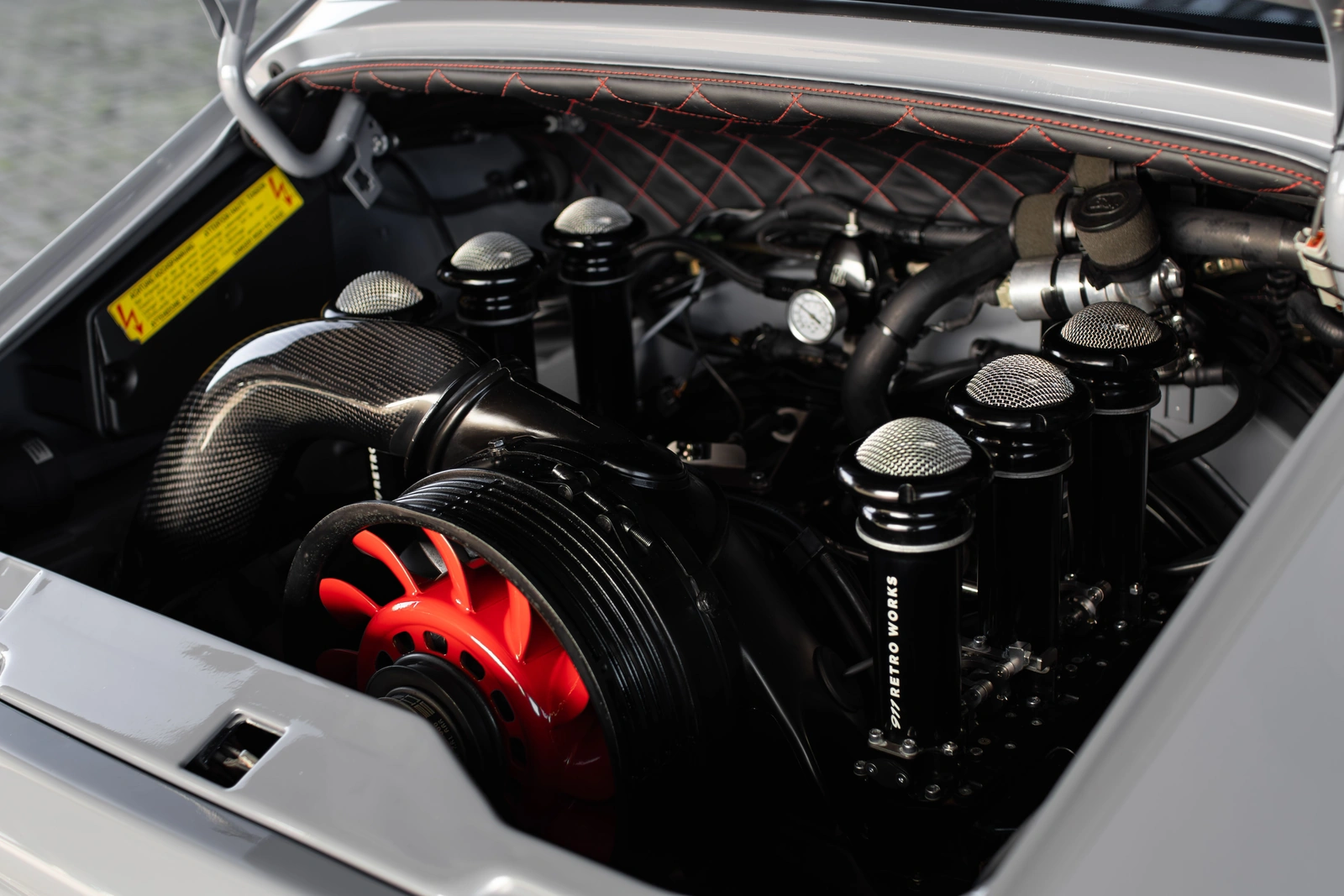
To understand the 997 generations, you need to understand what lies under the rear deck. The 997.1 Carrera used the M96/M97 family of water-cooled flat-six engines, which grew out of the engine introduced in the 986 Boxster and 996 in the late 1990s. The 997.2 introduced the new 9A1 family. This was a clean-sheet redesign rather than a simple update.
Design and efficiency
The 9A1 engines use direct fuel injection, which supports higher compression and better efficiency. They also make more power from the same displacement. In practice, the 997.2 feels slightly stronger through the mid-range and more eager to rev, particularly in the 3.8-litre S.
Reliability reputation
The M96 and M97 engines carry a controversial reputation, mostly for three issues: the IMS bearing, rear main seal (RMS) leaks, and, on some engines, cylinder bore scoring. It is important to keep this in perspective. Many cars run for years without trouble, and most failures reported online are relatively rare compared with the number of cars built. Still, the potential cost of a failure is high, and that drives buying decisions.
The 9A1 engines were designed without the intermediate shaft, which removed the IMS bearing entirely. Early 9A1 cars have generally been regarded as sturdier in this respect, though no engine is risk-free and they have their own maintenance needs, such as routine servicing and checking for oil leaks.
The sound
Sound is subjective. Many enthusiasts feel the older M97 has a slightly more traditional flat-six note, whereas the 9A1 has a crisper, more modern character. Try both if you can.
The IMS Bearing Issue Explained
The IMS bearing is probably the most discussed topic in 996, 986, and 997.1 ownership. The intermediate shaft is a component in the engine’s timing drive. It transfers motion from the crankshaft to the camshafts via chains, and it is supported by a bearing at one end. If that bearing fails, the timing can be thrown out and the engine can suffer severe, often terminal, damage.
Which 997 cars are affected?
Cars with the M96/M97 engine family are the relevant ones, which means the 997.1 Carrera, Carrera S, and their 4WD and open-top variants. The 997.2 with the 9A1 engine does not have an intermediate shaft, so it is not subject to this issue. The Turbo, GT2, and GT3 models use a separate engine design and are not in the same category.
Bearing revisions
Porsche changed the bearing design over the years. Early cars were fitted with one design, and the bearing was reportedly updated again around the time the 997.1 launched, with the later design generally considered more robust. Because details can vary by build date and engine, avoid relying on rules of thumb and ask for documentation from a specialist.
What owners do about it
Options include doing nothing, monitoring the engine oil for debris, or fitting an upgraded aftermarket bearing, often when the clutch is replaced, because the work is easier at that point. Specialist solutions are sold by independent engineering firms. Costs and recommendations change, so ask a trusted independent Porsche specialist for current advice rather than trusting generic figures.
Practical buying advice
- Ask whether the IMS bearing has been upgraded, and request invoices.
- Have a specialist inspect the oil filter and oil for metallic debris.
- Treat any car without service history with caution.
- Do not assume that a low-mileage car is automatically safe. Long periods of inactivity can create their own issues.
The IMS bearing is a risk to manage rather than a reason to dismiss every 997.1. A well-documented car with a retrofitted bearing can be an excellent purchase.
997.1 vs 997.2: Head-to-Head Comparison
Putting the two generations side by side helps clarify the trade-offs. The following summary applies mostly to the standard Carrera and Carrera S models.
Key differences at a glance
- Engine: 997.1 has the M96/M97 family (3.6 and 3.8 litres). 997.2 has the new direct-injection 9A1 family.
- Power: roughly 325 PS and 355 PS in the 997.1 Carrera and Carrera S; about 345 PS and 385 PS in the 997.2.
- Transmission: 997.1 offers a manual or Tiptronic S; 997.2 offers a manual or PDK.
- IMS bearing: present in the 997.1 Carrera models; absent in the 997.2.
- Infotainment: PCM 2.1 in the 997.1; PCM 3.0 in the 997.2.
- Lighting: LED daytime running lights and revised rear lights on the 997.2.
- Price: 997.1 cars are usually cheaper to buy, although market conditions vary.
Driving feel
The 997.1 can feel slightly lighter and more old-school, and some drivers prefer its hydraulic-steering feedback and its engine character. The 997.2 feels quicker and more polished. PDK-equipped cars are especially fast in real-world conditions and are easier to use in traffic.
Ownership costs
A 997.1 will often cost less to buy, but the potential cost of engine work should be factored into the budget. A 997.2 usually costs more initially, but offers more peace of mind regarding the IMS and a more modern ownership experience. As for ongoing service costs, both generations need conscientious maintenance, and specialist labour rates are what matter most.
Collectability
The cars most sought after by collectors are typically the manual-gearbox models and the GT cars. A manual 997.2 Carrera S or GTS, and the Mezger-engined GT3 and GT3 RS, are generally the most desirable. Market values change, so check recent sales rather than relying on assumptions.
Which 997 Suits Which Buyer?
The right answer depends on your priorities. Here is a practical way to match the generation to the owner.
The budget-minded enthusiast
If your budget is limited, a well-maintained 997.1 Carrera or Carrera S with a manual gearbox offers outstanding value. Allocate a portion of your budget for an IMS bearing upgrade, if not already done, and for general preventive maintenance. A cheaper car with poor history can end up costing more than a pricier, documented one.
The daily driver
For daily use, the 997.2 with PDK is a strong choice. It is easier in traffic, has better connectivity, and removes the IMS worry. The 4WD Carrera 4 models add confidence in poor weather.
The purist
If your priority is the driving experience above all else, look for a manual 997.2 Carrera S or a later GTS. If you prefer the raw character of the earlier cars, a manual 997.1 is just as rewarding. Purists with larger budgets may head for the GT3 and GT3 RS, whose Mezger-based engines have a strong reputation.
The long-term investor
Collectors tend to prefer rarer, driver-focused versions: GT3, GT3 RS, GT2, Speedster-style limited editions, and well-optioned manual cars. A standard Carrera with an automatic gearbox is less likely to be collectible, but can still be a satisfying and affordable classic-in-waiting.
Common buyer mistakes
- Choosing on price alone and ignoring service history.
- Skipping a pre-purchase inspection by an independent Porsche specialist.
- Overlooking the options list, such as PASM, Sport Chrono, and limited-slip differentials.
- Assuming all 997.1 cars carry the same risk, or that a 997.2 is flawless.
- Neglecting rust, accident repair, or tired interior wear.
Buying Checklist and Frequently Asked Questions
Before you commit to any 997, follow a simple process.
Step-by-step checklist
- Define your budget, including a reserve for maintenance and any IMS work.
- Decide on gearbox and body style: manual, Tiptronic, or PDK; coupe, Cabriolet, or Targa; rear- or four-wheel drive.
- Check the documentation: service records, previous owners, import history, and any engine work.
- Inspect the car in person, looking for oil leaks, uneven panel gaps, worn clutch components, and electronic faults.
- Arrange a specialist pre-purchase inspection, ideally including an oil analysis and a compression or leak-down test.
- Test-drive from cold if possible and listen for unusual noises.
- Negotiate using any findings from the inspection.
Is the 997.1 unreliable?
Not necessarily. The 997.1 has known weak points, but many cars have been used extensively without major trouble. The key is documentation, preventive maintenance, and a careful inspection.
Is the 997.2 free of engine problems?
No engine is perfect. The 997.2 avoids the IMS bearing concern, but it still needs proper maintenance and a careful inspection, as with any performance car.
Is PDK or manual better?
It depends. PDK is faster and more convenient. The manual offers greater driver involvement and is often favoured by collectors. Drive both if possible.
Can I tell a 997.1 from a 997.2 by sight?
Look at the front bumper’s LED daytime running lights and the rear lights, and check the infotainment screen. The VIN, build date, and engine number will provide definitive confirmation.
Final thoughts
The two phases of the Porsche 997 represent different answers to the same question: how do you make a great, everyday sports car? The 997.1 is the more affordable and traditional route, with a few risks that can be managed. The 997.2 is the more modern, slightly more expensive option, with the benefit of a redesigned engine and PDK. Prices, parts availability, and market opinions evolve, so verify current information with a trusted specialist before you buy.